Attracting & Retaining Talent in a Socially-Enabled Digital World, Greg Watt, CEO, Watt Global Media
Published: Tue, 08/01/17
Save the Dates
April 10-12, 2018, Chicago
mediagrowth.com
Statlistics began as a data provider offering highly specialized managed business and consumer data. Its list management and brokerage firm worked to connect marketers with their ideal target audiences in the most cost-effective way possible. The current organization now
provides solutions that combine the best of traditional data acquisition with programmatic advertising extensions to maximize ROAS. statlistics.com
~~~~~~~~~
This week's Thought Leader talks about Attracting and Retaining Talent in today’s socially-enabled digital world.
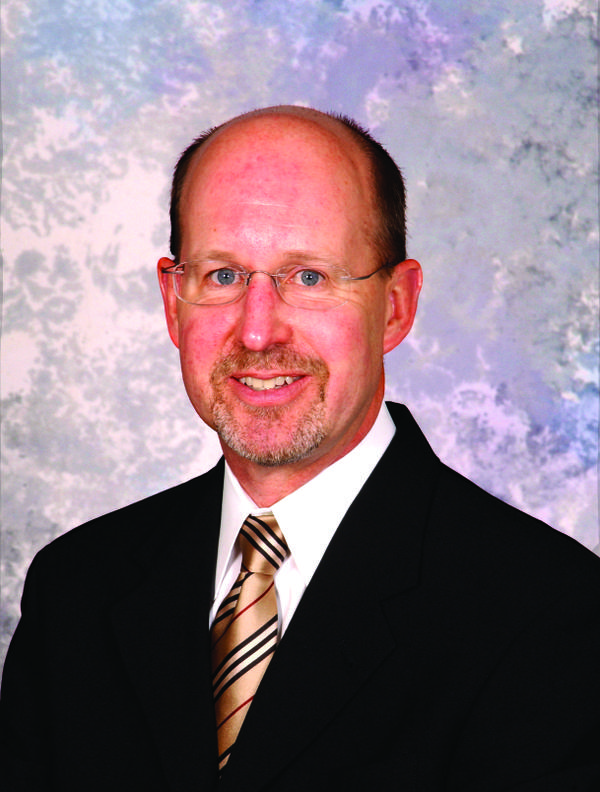
Greg Watt, CEO, Watt Global Media
MGES: You created a totally new office/work culture at Watt Global
Media back in 2012. What changes did you make and how is it going today?
Greg: We went from a traditional media office environment to an autonomous, self-directed, self-driven accountability structure which included the elimination of office hours for
all of our employees. People come and go on their own schedules. This not only accommodates the needs of spouses and families, overcomes geographical boundaries, encourages team members to work where and how they work best (it’s clear that we have a number of night owls among us), but it significantly strengthens recruitment and retention efforts. We now have virtually no turnover. The focus is now on what matters.
Every 120 days managers meet with each of their direct reports, and together, set very clear goals and timetables. These are connected to the strategic plan that includes 3 or 4 actions that impact the organization and are specific to each employee’s job description responsibilities. After these meetings, an ongoing dialogue becomes the emphasis. People say that millennials want more feedback at work, but actually, everybody is looking for measurable
and accountable feedback. And the feedback in our ongoing dialogue eliminates the need for annual reviews. That’s a huge relief -- everyone hates annual reviews!
We have found that self-direction along with a clear accountability structure and on-going feedback creates a culture of engagement. First, there is the freedom, and nobody wants to screw that up. Second, everyone feels like a stronger part of the overall
outcome. They look for opportunities to improve the process. When something doesn’t make sense, they have a stronger drive to raise their hand and question, “Is this adding value, or is it useless work?” Engagement makes people more aware, more focused on results and more inclined to take action, instead of just biding their time. This has driven our results up.
MGES: What
challenges have you faced as you built this new corporate culture over the years?
Greg: The concept was difficult for some of our managers at first. They would come to us and say, “How am I going to know if they’re doing their jobs?!”, or “People will take advantage of that kind of freedom!” Our response was, “Really? Do butts in chairs mean they’re getting their jobs
done?” Self-motivated people who are able to meet set goals in a timely manner are critical to any organization. We had a few people that couldn’t handle the culture shift, and that became clear pretty quickly. And a couple were managers who needed to control to the point that they just imploded. But are those the people you want on your team in any corporate culture?
We also had to do a better job of
recruiting. A lot more time is invested in the hiring process now. Job descriptions must be finalized before searches begin. It’s natural that managers want to fill positions as quickly as possible, sometimes without a full understanding of what you need and why. We don’t do that anymore. We never settle for second best. We find the absolute right person. And we don’t fill existing positions that much anymore. We’re primarily hiring for newly
created positions.
MGES: Other media companies may be hesitant to institute this kind of cultural shift. What would you say to them?
Greg: We have been brought up in a certain kind of work culture. At Watt we call it “Presentee-ism”. There is comfort in seeing
people around us as we work. But now we say, “Work is what we do, not where we go.” This has definitely been a differentiator for us. There were challenges in the beginning, but overall, it has been liberating for everyone. We don’t care if our employees are shopping online or on Facebook, or whatever… it doesn’t matter. The only thing that matters is getting the job done. With the right people, goals in place, and dialogue that supports a strategic
accountability plan, people engage and drive themselves to do what matters – they get the job done.